In the plant

10 Strategies to Learn from Mistakes and Build a Safer Workplace
Discover 10 effective strategies to learn from mistakes and create a safer, more proactive work environment.
4 Tips for Decision-Making at the Top Management to promote Employee Safety
4 tips the top management can take into consideration when making decisions related to the safety of the employees.

5 Tips for Plant Safety to Reduce Accidents
Plant safety refers to nothing but ensuring that all the employees and visitors at the plant are safe and healthy. Here are the 5 tips for plant safety every enterprise should read.

7 Tips to Elevate Your Workplace Safety Training
Seven practical ways safety leaders can make workplace training clearer, more engaging, and easier for teams to apply
A Guide to How Safety Leaders Respond to Workplace Accidents
Safety Leaders are crucial in addressing workplace incidents, performing various tasks to ensure effective response.

A Guide to Understanding and Mitigating Human Errors for Workplace Safety
Discover how human error affects the workplace. Decode types, and strategies, and embrace safety with our infographic.
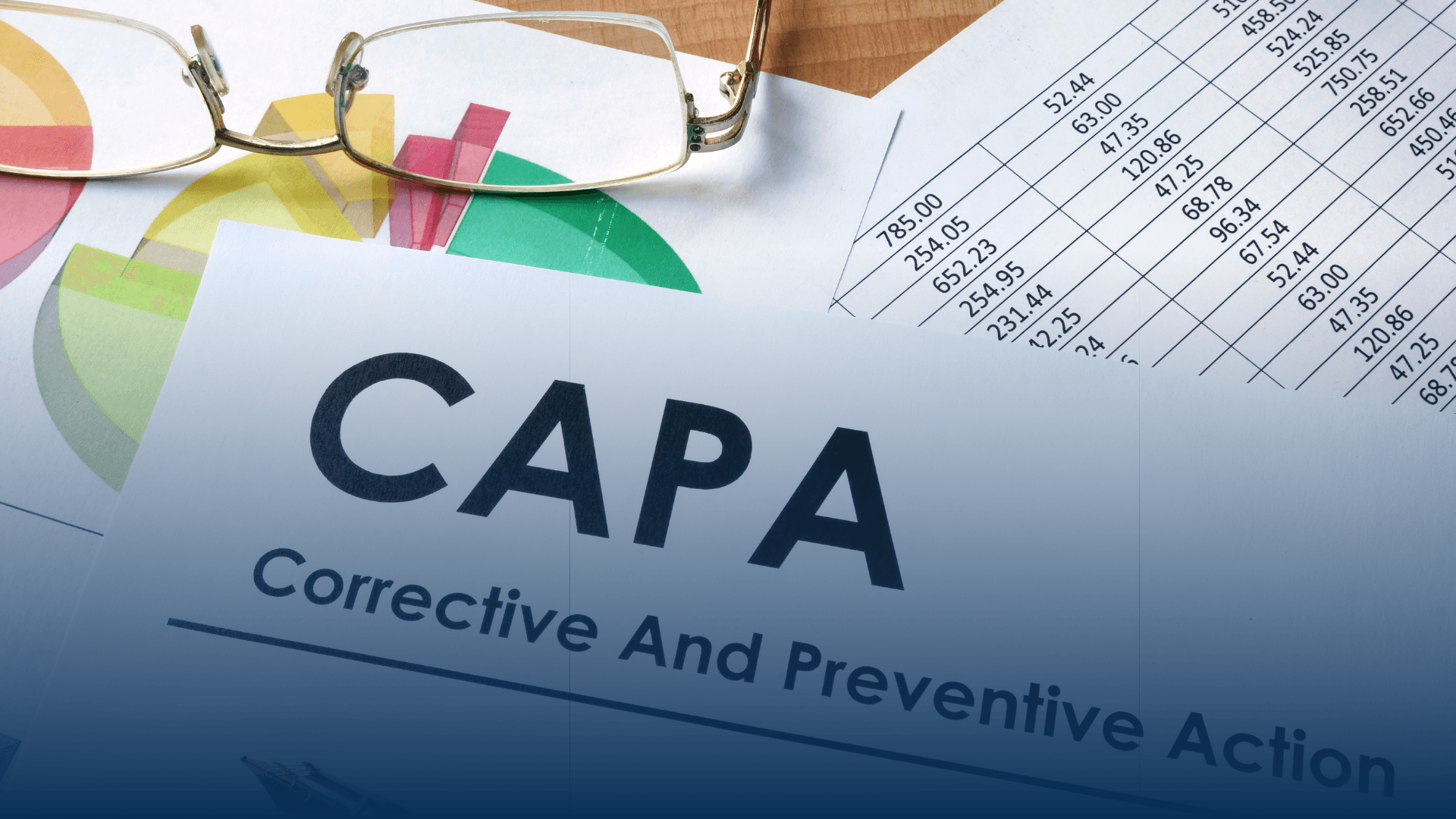
A Step-by-Step Guide to CAPA and Streamlining the Process with ATS
Discover the benefits of CAPA management and how an Action Tracking System (ATS) can streamline the process.

Addressing Three Common Workplace Safety Hazards
Explore key workplace safety hazards: working at height, man-machine interfaces, and confined spaces, with insights on risk management.

Building a Knowledge Base: Incident Documentation for Continuous Improvement
A deep-dive into the importance of incident documentation and its role in furthering workplace safety.
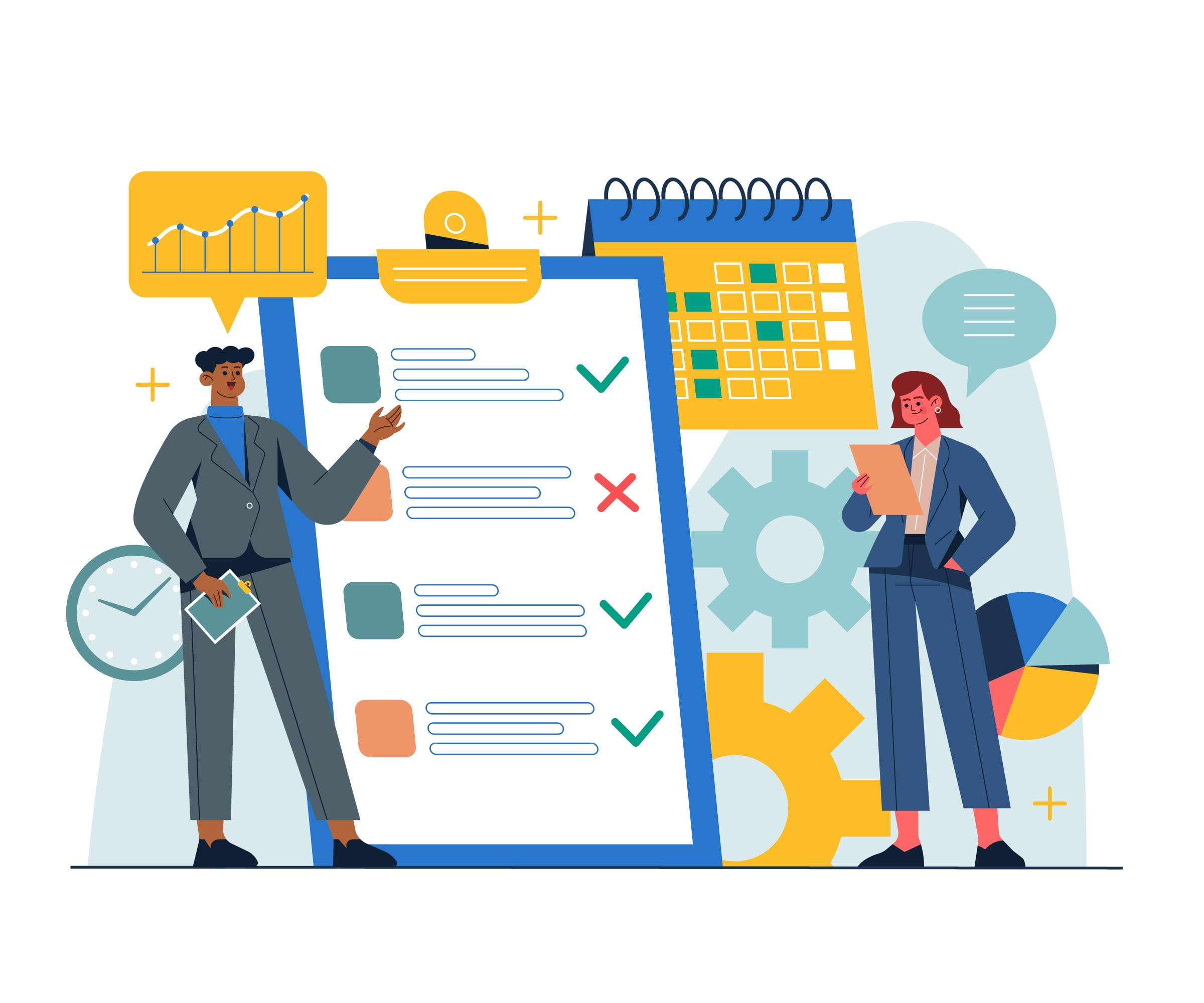
Corrective and Preventive Actions (CAPA) in the Pharmaceutical Industry
CAPA in Pharma helps in identifying problem areas, rectifying mistakes and avoiding similar recurrence in the future.

From Incident Reporting to Incident Intelligence
Go beyond incident reporting. Turn safety data into insights to prevent risks and reduce repeat incidents.

Incident Reporting: Understanding the What, Why, and How
This blog summarizes the importance of Incident Reporting in the workplace while highlighting other related aspects.

Industrial Safety During Rainy Season
Working during the monsoon season can be riskier for employees, particularly (those participating/involved) in construction, transportation, electrical, and emergency services. Neglecting rain safety can lead to serious health hazards.

Insights into Process Safety Management
Learn the core principles of process safety management, from hazard identification and prevention to emergency planning and improvement

Navigating the Challenges of Implementing a Permit to Work System and Ensuring Compliance
Understand the challenges of PTW systems and see how SafetyConnect’s PTW Software simplifies workflows and ensures compliance.

Open Communication: The Key to Building a Safer Workplace
Open communication drives proactive safety, empowering employees to share risks, foster trust, and innovate for a safer workplace.

Permit to Work 101: The Basics Every Workplace Should Know
Explore the Permit to Work system — its definition, key components, types, and a step-by-step breakdown of the process.

Permit to Work : Shifting from Conventional to Digital Solutions
An introduction to Permit to Work and how digitalization has changed the scenario.

Proactive Safety: How to Prevent Accidents Before They Happen
Explore proactive safety strategies to prevent workplace incidents and foster a culture of continuous improvement.
Safety Audits vs. Safety Inspection
Differentiating safety audits & inspections made easy with our infographic.

Safety Checklists - Understanding Their Types and Importance
An overview of the importance of safety checklist and its types to ensure employee safety and increase productivity.

Situational Awareness in the Workplace
A brief overview of the importance of situational awareness in the workplace along with a few tips on how to improve it.

The Bradley Curve: Definition and Stages
Discover the Bradley Curve’s framework for fostering a proactive and resilient safety culture at any organization.
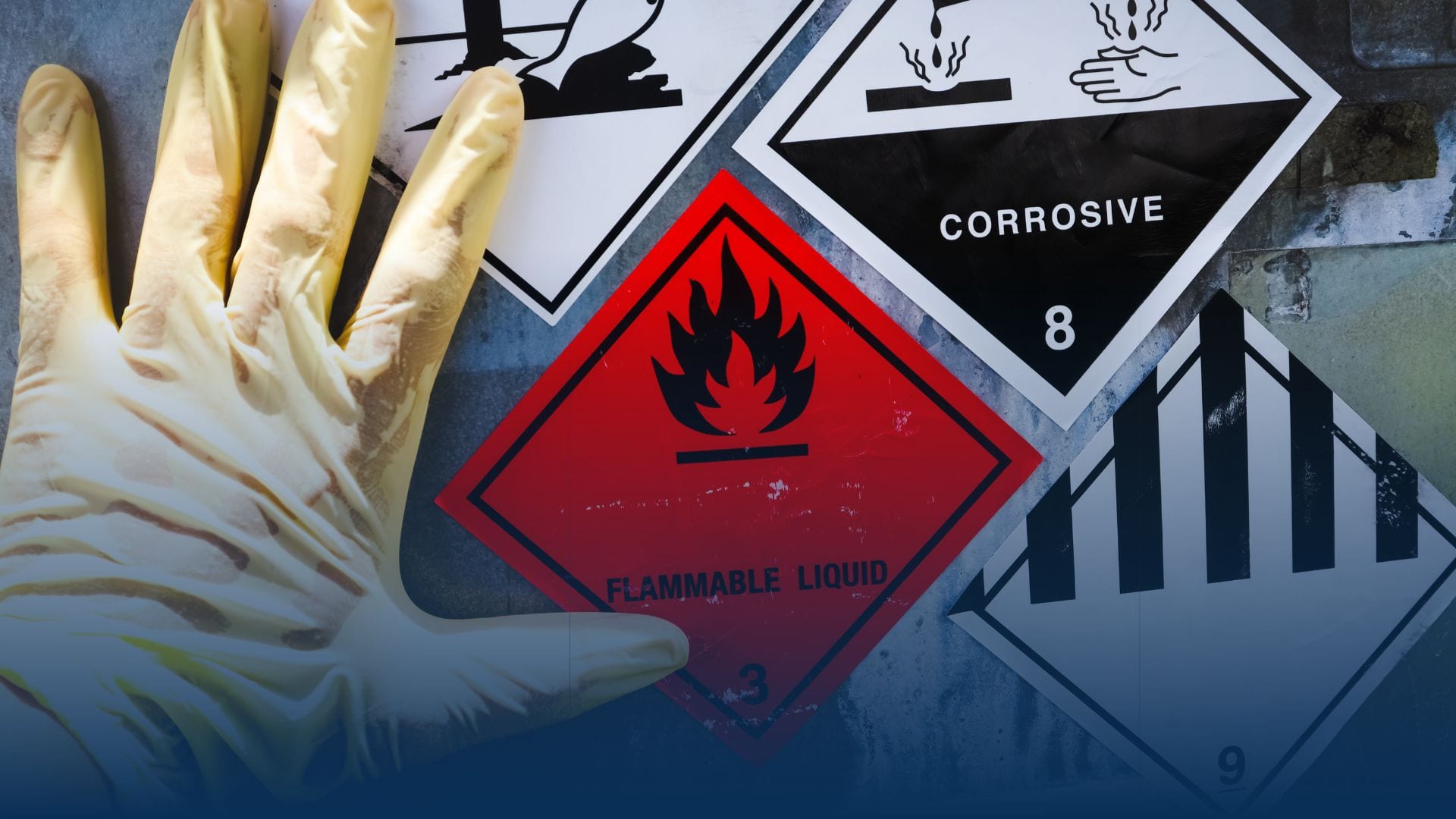
The Evolution of Process Hazard Analysis (PHA) in a Changing Industry
A Deep dive into Process Hazard Analysis and the need for evolving it in tune with the changing industries.
The Hidden Cost of Manual Safety Procedures
Hidden costs of manual safety systems. Learn how digital tools reduce risk, errors, and improve compliance.

The Legal and Ethical Imperative of Permit to Work Systems
Find out why implementing a Permit to Work system is a legal and ethical must to protect lives and ensure compliance.

The Power of Behavior - An Introduction to Behavior-Based Safety
Behavior-Based Safety inculcates safe behaviors in employees & removes unsafe behaviors to foster workplace safety

The Role of Human Error in Process Safety Incidents
Analyzing the role of human error in process safety incidents and discussing strategies for improving human performance.

Tips for managing summer heat at the workplace
Sometimes when your employees are tired while on the road, especially in the sunny weather, it's easy to lose track of any changes in their behavior. This is where you can utilize our Driving Safety App to help you be cautious of any changes in behavior or fatigue that could disrupt their usual driving behavior or result in any at-risk behavior that could harm them and others.
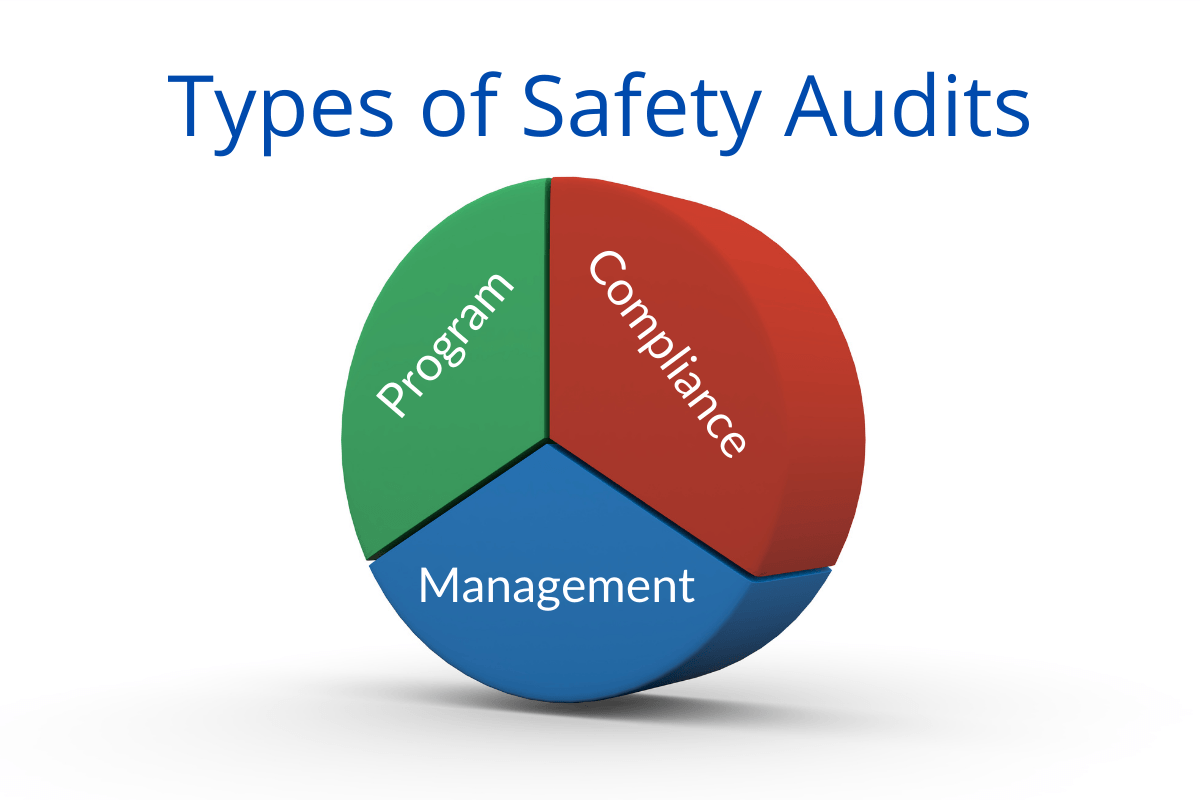
Types of Safety Audits
Safety Audit is for any enterprise that is keen on ensuring the safety of its employees and visitors at the workplace.

Understanding the Hierarchy of Controls and Its Role in Workplace Safety
Learn the Hierarchy of Controls in workplace safety: Eliminate, substitute, engineer, and protect with PPE for a safer work environment.
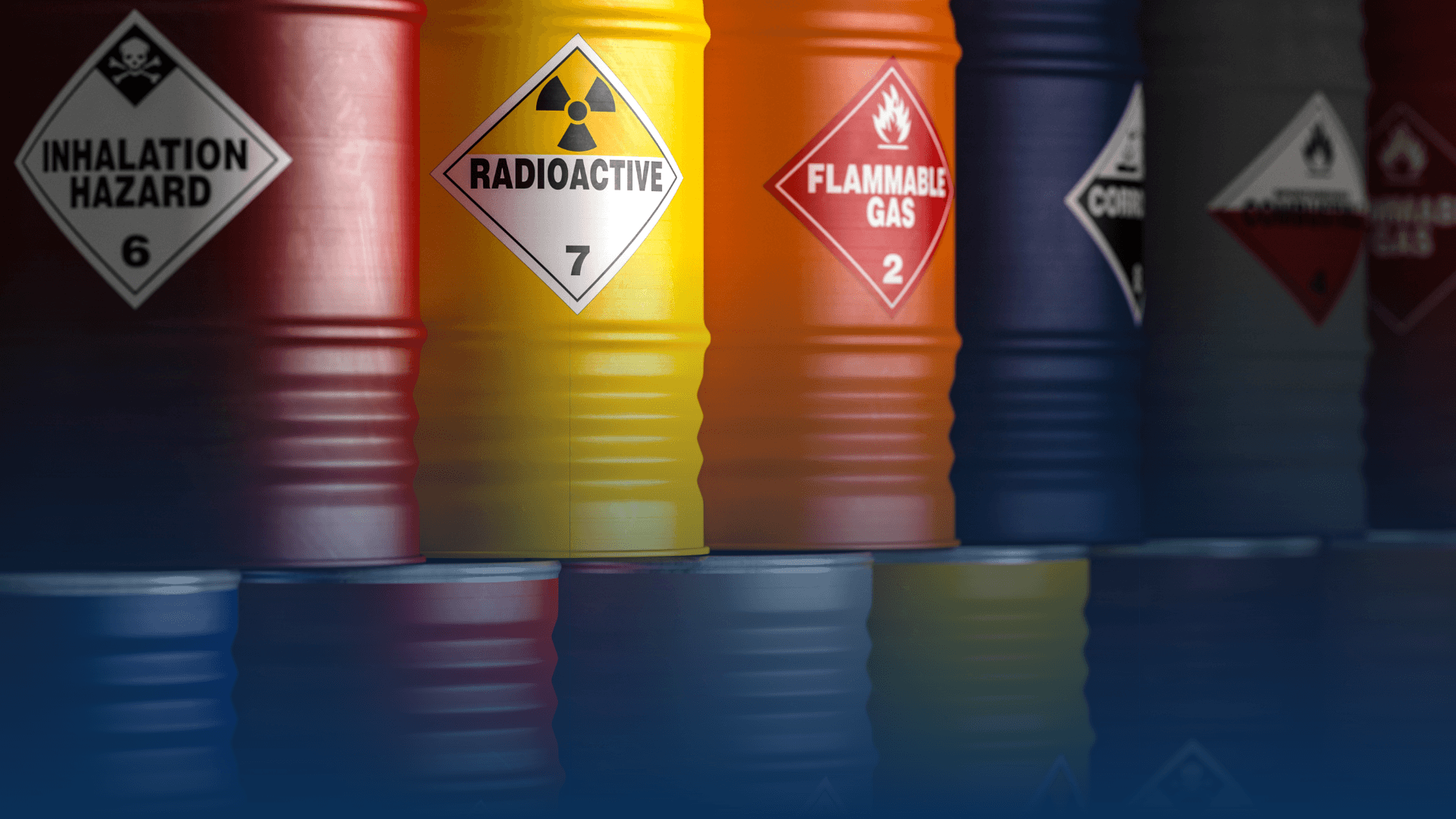
What is Hazard Communication? Definition and Key Concepts
Insights into Hazard Communication and how to implement it in the workplace for maximum employee safety.

Why Safety Audits are essential to prevent accidents
Safety audits are essential, routine procedures that can immensely help you avoid hazards at the plant and protect your employees, clients, visitors, stakeholders, investors, and drivers.