

Today's fast-paced and competitive environment forces all organizations to realize that workplace safety and occupational health and safety go beyond the letter of a regulatory or compliance guideline. Putting safety at the forefront of their operations is beneficial to organizations not only in terms of the safety of their people but also in terms of customer trust and reputation and optimizing their working methods. Health and safety will no longer be seen as a compliance requirement by 2026, but as an important source of value that leads to long-term growth and prosperity through improved safety performance.
In addition, the generation of a good safety culture seems to have financial implications. Companies with good safety management programs have reduced workers' compensation costs, experienced fewer workplace mishaps, and increased employee retention, BBSI reports. Not only does this offer cost savings, but it also makes institutions more attractive as potential employers and trustworthy partners in businesses that value employee safety.
Increased workplace expectations, fast-paced technology advances, and shifting regulatory pressures drive the shift to considering safety as an essential business imperative. According to AlertMedia, modern workplaces require proactive safety measures that address both physical and mental well-being. Companies that embrace this comprehensive approach to operational safety benefit from improved employee morale, reduced operational interruptions, and increased productivity.
As emerging companies embed safety into their operational practices, they are realizing that exceptional safety outcomes achieve substantial business benefits that transcend risk mitigation efforts.

Why Safety Has Evolved Beyond Basic Compliance
Historically, workplace safety has been viewed as a cost center, with businesses investing only to meet regulatory requirements and basic safety compliance. However, forward-thinking organizations recognize that this perspective is no longer sufficient.
Unsafe practices can lead to operational downtime, damage to a company’s reputation, and significant financial losses. Additionally, a weak safety culture can result in higher employee attrition and disengagement. Reactive safety management approaches often conceal risks rather than address them effectively, limiting long term risk prevention.
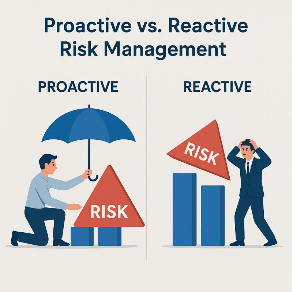
In contrast, organizations that prioritize safety from the outset and integrate it into their operations foster cultures where employees thrive. Such companies experience increased efficiency, proactively managing risks, and preventing issues from escalating into serious problems through proactive safety practices.
When implemented correctly, safety becomes a business differentiator.
The Critical Importance of Leadership in Cultivating a Safety Culture
The first step toward creating a safe workplace lies with its leaders. Safety leadership plays a crucial role in shaping the company culture that defines the environment by setting the standard for safe behavior and practices. When executives prioritize safety, they become effective safety ambassadors, influencing how employees perceive and engage with safety protocols and safety management initiatives.
Leaders who advocate for their team's safety do more than just express their commitment; they actively demonstrate it through direct interactions with staff, participation in safety programs, and making safety and security integral to all operations. This ongoing focus fosters a culture where safety is genuinely valued, not merely a matter of compliance with regulations.
Central to this effort is the active involvement of leaders in safety meetings, their endorsement of safety measures, and their commitment to ensuring that safety policies are effectively implemented and regularly reviewed for continuous improvement. By prioritizing safety in every aspect of decision-making, safety-oriented leadership enables organizations to cultivate a culture where safety concerns are deemed essential and integral to success.
The Impact of a Strong Safety Culture on Employee Engagement and Retention
A robust safety culture significantly enhances employee engagement and retention. When employees feel that their health and employee safety are prioritized, they recognize their value within the organization. This sense of appreciation fosters loyalty and, consequently, greater productivity. Research by UDS Health indicates that organizations focused on workplace safety experience, lower absenteeism rates, and improved staff morale.
Moreover, proactive employees are more likely to identify potential hazards and implement safety measures, contributing to a self-reinforcing safety culture and risk prevention. This proactive approach minimizes downtime, prevents sudden breakdowns, and reduces the cascading effects of accidents on workflow. When employees can shift their focus away from hazards, they can dedicate their attention to what truly matters.
Numerous commercial reports demonstrate that safer workplaces correlate with increased productivity and fewer job interruptions, resulting in enhanced overall performance and stronger safety outcomes. In high-risk sectors such as construction and manufacturing, companies with a strong safety culture typically outperform their counterparts that lack such a commitment. These organizations often experience fewer breakdowns and delay due to accidents, enabling them to stay on schedule and maintain client confidence.
Additionally, a good reputation for safety offers a significant competitive advantage, attracting top clients and employees who prioritize safe and responsible work environments.
How SafetyConnect Empowers Organizations to Succeed Through Enhanced Safety
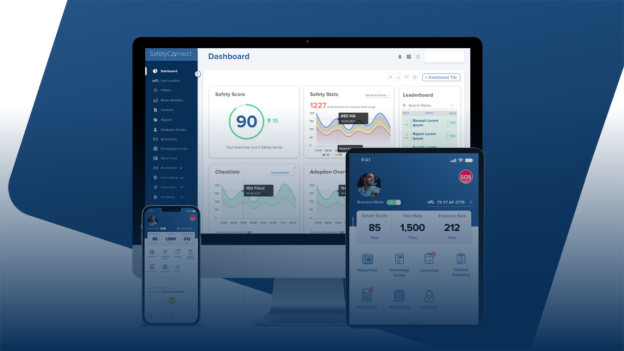
SafetyConnect enables businesses not only to make their business safer but to move beyond compliance into intelligent safety management. What this means is simply: real-time safety information; safety analytics; predictive analytics; human-centered design delivered through a digital safety platform. These factors which take company performance into account can help a company to reduce accidents, build up a vigorous safety culture, and ultimately realize real value from operational results.
Conclusion: Safety as a Strategic Asset
Companies that prioritize workplace safety not only protect their workforce but also enhance overall productivity. A proactive safety strategy and a robust safety culture can lead to:
- Reduced expenses and minimized operational disruptions
- Improved efficiency and increased output
- Attraction and retention of skilled talent
- Strengthened brand reputation through superior safety performance
In today’s complex risk landscape, prioritizing safety is essential for differentiation. At SafetyConnect, we empower organizations to view safety as a catalyst for sustainable success through technology-driven safety management.


.png)


